Quiet Luxury, Shaped by Nature
Today we explore Timeless Natural Materials for Understated High-End Remodels, showing how stone, wood, breathable plasters, honest metals, and natural textiles create calm rooms that age gracefully. Expect tactile guidance, sourcing insight, and lived anecdotes about patina and restraint. Share your experiences or questions at the end; we love hearing how carefully chosen materials have transformed daily rituals, softened acoustics, and made small, well-considered details feel more generous than any flashy gesture.

Honed, Tumbled, and Leathered Finishes
Honed stone reduces glare and highlights natural movement without shouting, while tumbled edges soften transitions where bare feet and hands meet surfaces. A leathered finish introduces tactile nuance that hides fingerprints and life’s small marks. Each option changes how light drapes across planes and how a room sounds under foot. If you’ve lived with polish and switched to honed, share the difference you felt in comfort, upkeep, and genuine daily pleasure.

Selecting Veins and Cuts
Cross-cut travertine delivers dappled calm; vein-cut marble reads as quiet stripes when bookmatched thoughtfully. Decide whether you prefer movement or consistency, then align veining through miters and backsplashes so lines flow uninterrupted. We often template around sink cutouts to preserve meaningful swirls. Photographs help, but standing with slabs tells the truth. Send us your slab-walk stories: what surprised you, what detail sealed your decision, and what you’d do differently next time.
Wood That Deepens with Age: Oak, Walnut, and Reclaimed Timbers
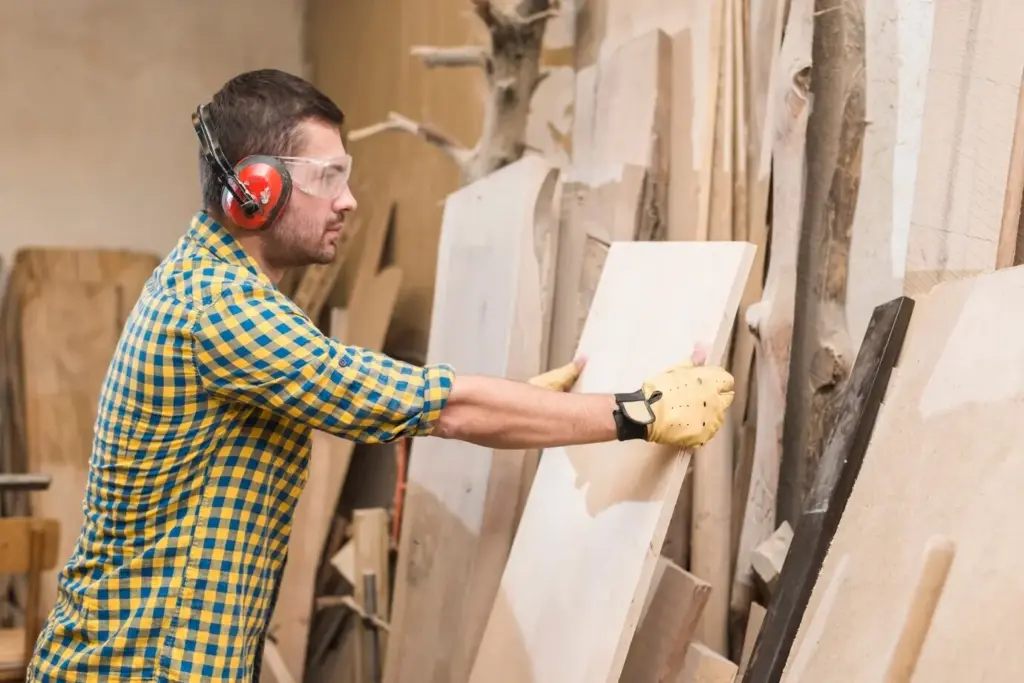
Wood softens architecture with grain, warmth, and fragrance. Rift and quartered oak stay dimensionally stable and subtly linear; walnut brings chocolate depth without fuss; reclaimed beams introduce narrative and texture. We prefer low-sheen, plant-based oils that let wood breathe, absorb light, and wear in rather than wear out. Consider touchpoints—handrails, drawers, thresholds—where oils invite contact. Tell us your experiences with sunlight, humidity shifts, and seasonal hairlines; real feedback refines every specification we make.
Honest Metals: Bronze, Brass, and Blackened Steel
Unlacquered metals dim reflection and amplify tactility, maturing from bright to quietly complex. Bronze door sets, brass taps, and blackened steel shelves gain dignity as fingerprints and micro-scratches merge into a living surface. Limit the palette to maintain calm, pairing one warm metal with one dark counterpart. Hardware, lighting, and small inlays can echo each other politely. Tell us where you embraced patina and where you preferred stability; your balance points inform thoughtful selections.

Unlacquered vs. Coated
Unlacquered brass responds to humidity, soap, and time, turning from honey to deeper caramel with daily use. Coated finishes stay fixed yet can feel distant to touch. In kitchens, we often mix: unlacquered taps for character, coated pulls where consistency comforts. A soft cloth and occasional wax calm fingerprints without chasing perfection. If guests asked whether something was antique after a single season, you’ve witnessed quiet alchemy; share those reactions and your maintenance rhythm.

Mixing Metals with Restraint
Two metals in close proximity can sing if proportion and adjacency are controlled. Choose a dominant finish for major hardware, then reserve a supporting finish for lighting or small trims. Repeat placements room to room for continuity. Blackened steel introduces shadow and structure beside warm brass, while bronze pairs gracefully with oiled oak. Tell us where a mix delighted you—or felt hectic—so readers can learn how scale, sheen, and sightlines shape harmony.
Breathable Walls: Lime Plaster, Clay, and Mineral Paints
Breathable finishes regulate humidity, soften acoustics, and scatter light with painterly grace. Lime plaster and clay read matte yet luminous, improving with touch and repair. Mineral paints grip masonry, resist peeling, and age elegantly. These surfaces shrug off fashion, offering nuance at every hour. We’ll cover layering, burnishing, and compatible substrates. Share your experience with limewash in changing light or a microcrack that became beloved character; honest notes guide better prep, color, and maintenance decisions.
Curtains that Soften, Not Show Off
Double-width linen avoids excessive seams and hangs with generous, unforced folds. A quiet header, thoughtful interlining, and proper clearance from radiators keep fabric healthy. Aim for natural light that feels filtered, not dimmed. We like hand-measured hem puddles only where sweeping is realistic. If you experimented with fullness ratios or buckram stiffness, tell us what actually read elegant at home, not only in the showroom; real windows hold surprises that textbooks cannot predict.
Rugs that Anchor Without Shouting
Flatweave wool grounds living rooms without visual bulk, while Tibetan hand-knotted pieces dampen sound and grow softer with time. Natural jute can warm entries if shielded from frequent water. Choose sizes that allow front legs of seating to rest comfortably, creating cohesion. Share shedding experiences, pad selections, and cleaning regimens that balanced softness with practicality. Your notes about pet habits, seasonal grit, and bright sun patches help others navigate choices beyond perfect catalog photographs.

Light, Palette, and Editing for Quiet Rooms
Understated rooms rely on honest daylight, warm-dim circuits, and nuanced neutrals that honor material undertones. Choose mattes that don’t glare, bulbs around 2700K to 3000K with high CRI, and let negative space do work. Restraint is not absence; it is precision. We’ll share paint strategies and lighting tips that help materials sing softly. Add your paint formulas, dimmer preferences, and shade styles in the comments; your data points become a generous library for everyone.

All Rights Reserved.